
Search Aurora Property Tax Records
Aurora property tax records are spread across up to four counties because the city sits at the border of Kane, DuPage, Kendall, and Will counties. Most Aurora properties fall in Kane County, which is where the bulk of city residents live. The county where your specific parcel sits determines which treasurer and assessor handles your property tax records. With close to 180,000 people, Aurora is the second-largest city in Illinois. To search your property tax records, you first need to know which county your address is in.
Aurora Property Tax Quick Facts
Which County Handles Your Aurora Property Taxes
This is the most important thing to know about property taxes in Aurora. The city spans four counties. Your property tax records are kept by whichever county your parcel sits in. It does not matter that your mailing address says "Aurora." The county lines are what count.
Most Aurora homes fall in Kane County. If your address is in the western or central part of the city, Kane County is likely your county. The eastern edge of Aurora dips into DuPage County. The southern sections cross into Will County and Kendall County. If you are not sure, check your tax bill. It will say which county issued it. You can also look up your address on any of the county search portals listed below.
Kane County Property Tax Search for Aurora
The Kane County tax search portal is where most Aurora residents will find their property tax records. This site uses the DevNet wEdge system that many Illinois counties run. Enter your address or PIN and you get tax bill details, assessed value, and payment history. The site is free and needs no account to use.
The Kane County Treasurer collects all property taxes for Aurora addresses in Kane County. Property assessments in Kane County follow the standard Illinois rate of 33.33% of fair market value, as set by 35 ILCS 200. If you need to appeal your assessment, contact the Kane County Assessment Office or file with the Kane County Board of Review.
Below is the Aurora city website, which can direct you to the right county office for your property tax needs.
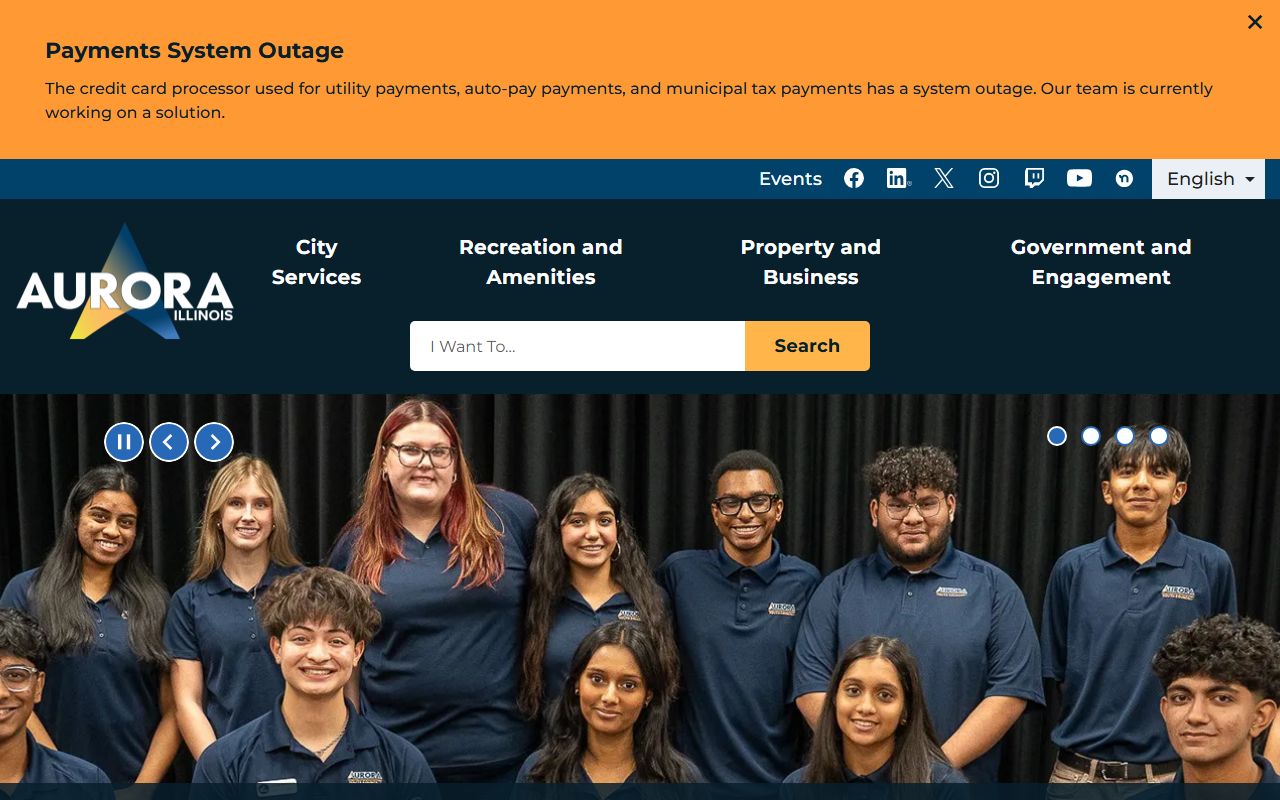
The city of Aurora does not collect property taxes itself. All tax collection goes through the county level.
DuPage County Property Tax Search for Aurora
Aurora residents in DuPage County can search their records at the DuPage County property lookup site. DuPage has its own treasurer and assessor, so the process is different from Kane County. Enter your address on the DuPage site to see your assessed value, tax bill, and payment status. DuPage County also uses the 33.33% assessment rate.
If your Aurora home is in DuPage County, your tax bill comes from the DuPage County Treasurer, not Kane. Make sure you pay to the right county. Sending a payment to Kane County when your property is in DuPage will not clear your bill. Check the county name on your tax bill or use the search tools to confirm.
Will and Kendall County Aurora Properties
A smaller number of Aurora addresses fall in Will County or Kendall County. The Will County property search portal lets you look up tax records for Aurora parcels in Will County. Kendall County has its own treasurer site as well. In both cases, the process works the same way. Search by address or PIN to find your tax record.
Properties in these counties still get assessed at 33.33% of fair market value. The tax rates differ because each county has different taxing districts with different needs. An Aurora home in Kendall County may have a different tax rate than one in Kane County, even if the houses sit just blocks apart. That is how Illinois property taxes work. The taxing districts where your land sits determine your final bill.
Aurora Property Tax Payments
Pay your property taxes to the treasurer of whichever county your property is in. Kane County is the most common for Aurora. You can pay online, by mail, or in person at the county treasurer's office. Most counties allow e-check for free and charge a fee for credit cards.
Illinois property tax bills come in two installments. The first is due around June. The second is due around September. Exact dates vary by county. Miss a payment and you face a 1.5% monthly penalty under state law. If you stay behind long enough, the county will sell the tax lien at the annual tax sale. You then have a redemption period to pay back the debt. All of this shows up in your property tax records and is searchable online.
Aurora Property Tax Exemptions
Common exemptions that Aurora homeowners may qualify for include the Homeowner Exemption, Senior Citizen Exemption, Senior Freeze, Veterans Exemption, and Disabled Persons Exemption. The Homeowner Exemption alone can cut your assessed value by up to $6,000 in counties outside of Cook. You apply for exemptions through the county assessor's office, not through the city of Aurora.
Check your property tax records to see which exemptions are already applied. If you bought a home recently, the Homeowner Exemption may not have carried over from the prior owner. You need to file a new application. The county assessor's office can tell you what you need and what deadlines apply.
Aurora City Government and Property Taxes
The City of Aurora is at 44 E Downer Place, Aurora, IL 60507. Call (630) 256-3010 or visit aurora-il.org for city services. The city sets its own property tax levy each year, which is one piece of your total property tax bill. But the city does not send out bills or collect payments. The Illinois Department of Revenue oversees the property tax system statewide, while collection happens at the county level.
County Property Tax Offices for Aurora
Depending on where your Aurora property is located, visit the county page for full details on the treasurer, assessor, and how to search records.
Nearby Cities
These cities near Aurora also have property tax records you can search through their respective county offices.