
Grundy County Property Tax Records
Grundy County property tax records are kept by the treasurer, assessor, and county clerk in Morris. Located southwest of the Chicago suburbs, the county has about 53,219 residents and covers a mix of farmland and growing residential areas. You can search tax bills, check assessed values, view payment history, and find exemption details for any parcel in Grundy County using the online search tool. The treasurer handles all tax payments while the supervisor of assessments sets the property values that form the base for each annual bill. County offices in Morris serve all property owners in Grundy County.
Grundy County Property Tax Quick Facts
Grundy County Online Tax Search
The Grundy County tax search portal is the fastest way to find property tax records in the county. Search by owner name, address, or parcel number. The tool is free and does not need a login.
The Grundy County tax search portal provides access to current and past tax bills for any property in the county.
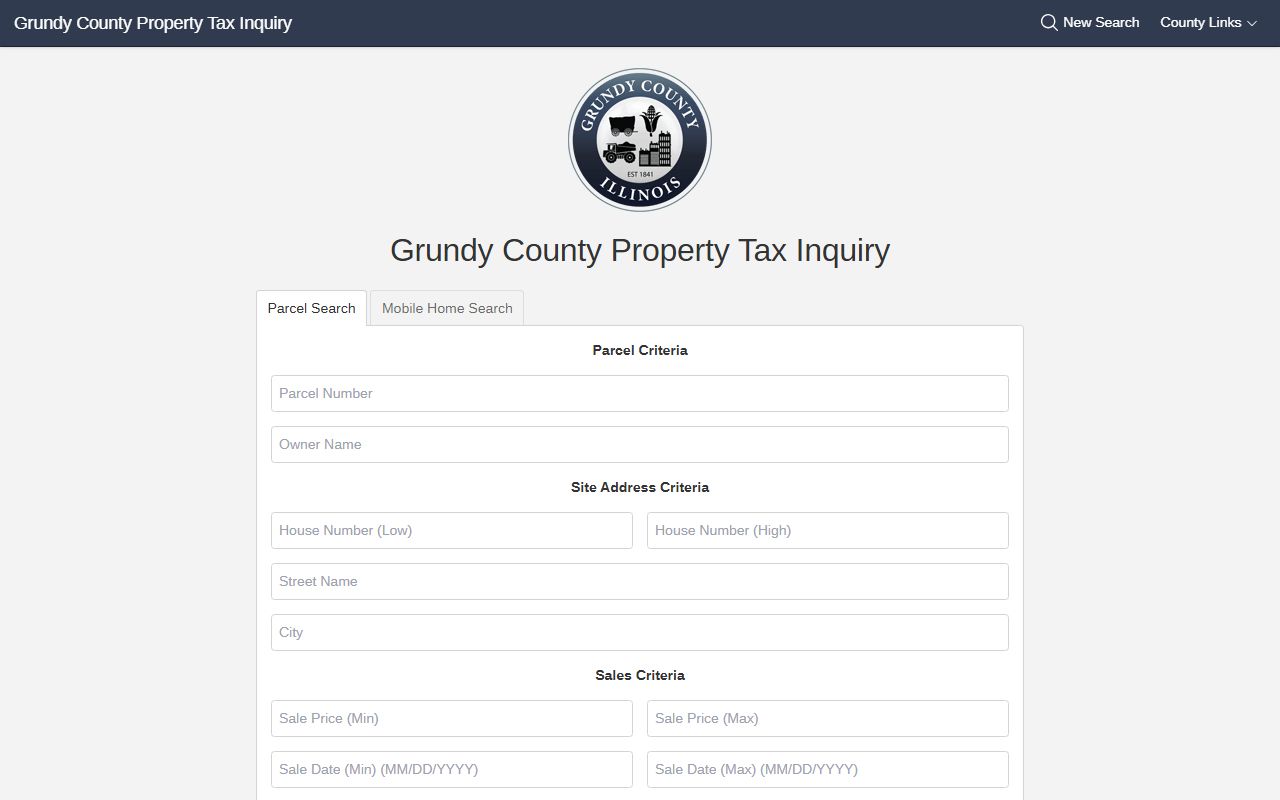
When you pull up a property, you see the full bill with each taxing district listed. School districts, park districts, fire protection, library, and township levies all show as line items. You can also view prior year bills to see how your taxes have changed. The portal pulls data from the treasurer's office and updates as payments come in.
If the online tool is not working, you can contact the treasurer's office in Morris for help. Staff can pull up records and answer questions about your bill or payment status.
Grundy County Treasurer
The Grundy County Treasurer collects all property taxes in the county. The office is in the courthouse in Morris. Property taxes are paid in two installments each year, with the first typically due in June and the second in September. Exact dates change annually.
Under 35 ILCS 200, taxes are billed one year behind. Your 2024 property tax shows up on bills in 2025. If you miss a due date, statutory interest starts at 1.5% per month on the unpaid balance. This rate is set by state law and applies in all 102 Illinois counties. The interest adds up quickly, so paying on time is important.
You can pay at the treasurer's office in person with cash, check, or money order. Mail payments are also accepted. Some online options may be available through the county website. Call the office to ask about current payment methods and accepted forms of payment. The Illinois Property Tax Code governs how collections work in Grundy County and across the state.
Property Assessments in Grundy County
The Grundy County Supervisor of Assessments sets the value of every property in the county. The office is in the courthouse in Morris. Call with questions about your assessed value or to learn about the appeal process.
Grundy County uses the standard Illinois assessment rate. All property is assessed at 33.33% of fair market value under 35 ILCS 200. So a home worth $300,000 would have an assessed value near $100,000. The Illinois Department of Revenue then applies an equalization factor to make values consistent across the state. Your tax rate is applied to the equalized assessed value, not the full market price.
Grundy County has seen growth in recent years, especially in areas closer to Will County and the I-80 corridor. Property values have risen in some parts of the county. The assessor's office tracks these changes and adjusts assessed values based on market data, recent sales, and property improvements. If you add a room, build a garage, or make other improvements, the assessed value will likely go up at the next assessment cycle.
Appeals and Exemptions
If you think your Grundy County property assessment is too high, file an appeal with the local Board of Review. Bring evidence such as recent comparable sales or an independent appraisal. The board reviews the case and decides whether to adjust the value. If you disagree with their ruling, take the case to the Illinois Property Tax Appeal Board.
Exemptions can also lower your bill. Common ones in Grundy County include:
- General homestead: up to $6,000 off equalized assessed value
- Senior homestead (65+): up to $8,000 more off EAV
- Senior freeze: locks EAV if income qualifies
- Disabled persons: $2,000 off EAV
- Disabled veterans: varies by disability rating
Apply for exemptions through the assessor's office. Once approved, they show on your property tax record and lower your bill. Some need yearly renewal while others carry forward automatically.
Delinquent Taxes and Tax Sales
When Grundy County property taxes go unpaid, the county holds an annual tax sale. At the sale, investors bid on delinquent parcels by paying the back taxes. The owner then gets a redemption period to pay back the amount plus interest and costs. Under 35 ILCS 200, this period is usually two to three years for residential property.
Tax sale records are public. They show which parcels went to sale, how much was paid, and whether the owner redeemed. These records are part of the property tax file for each parcel in Grundy County. Before buying any real estate here, check for tax sale history. Unpaid taxes follow the land, not the person.
Interest on delinquent taxes is 1.5% per month. On top of that, there are publication fees and court costs that get added once the delinquency process starts. Staying current keeps your record clean and saves you from these added expenses.
State-Level Resources for Grundy County
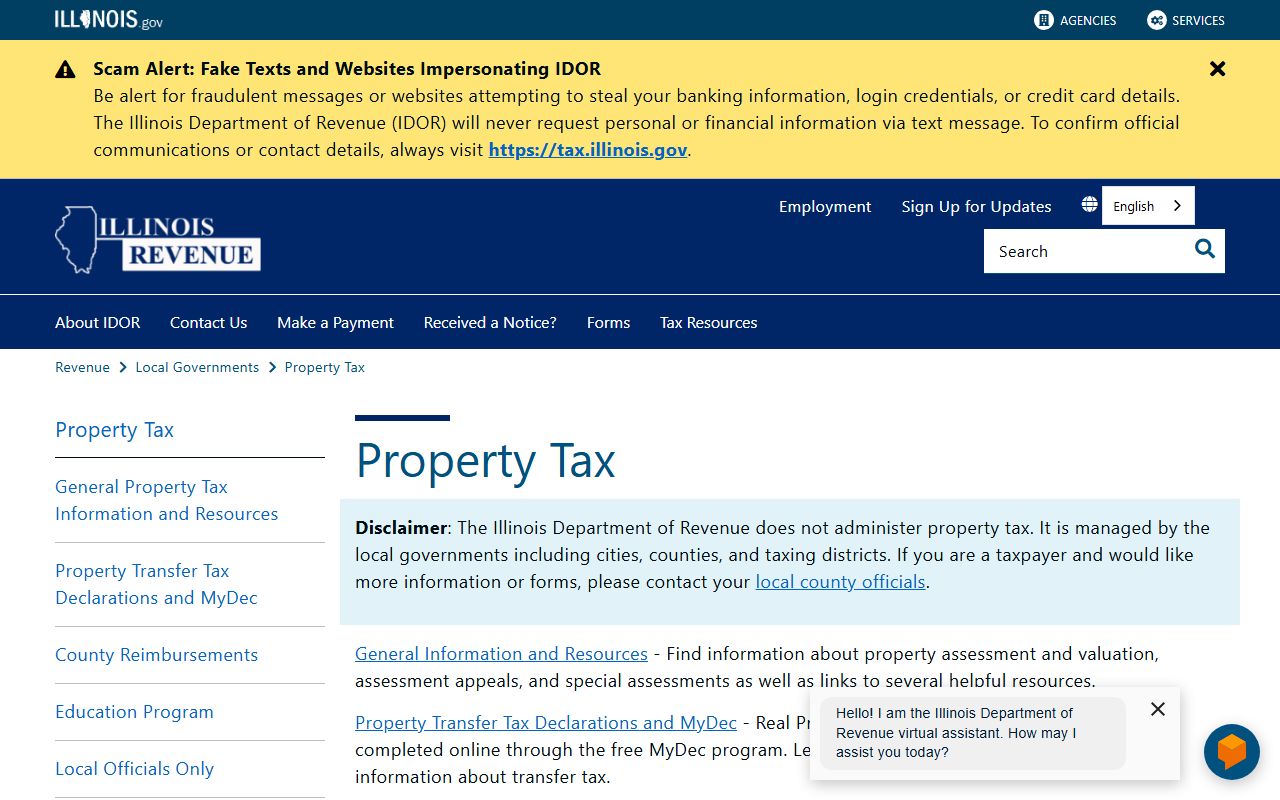
Several state agencies provide tools and info that apply to Grundy County property tax records. The Illinois Department of Revenue property tax page has info on equalization factors, exemptions, and how the assessment process works across the state.
The Illinois Department of Revenue applies equalization factors to Grundy County assessments and publishes property tax data used statewide.
The Illinois Property Tax Code (35 ILCS 200) is the main state law covering property taxes. It sets the rules for assessments, collections, exemptions, and tax sales. Every county in Illinois, including Grundy, follows this code. If you want to understand your rights as a property owner or taxpayer, reading the relevant sections of 35 ILCS 200 is a good start.
Cities in Grundy County
Grundy County includes Morris, Minooka, Coal City, and several other smaller towns. None of these cities has a population over 50,000. All property tax records for cities in Grundy County are managed at the county level by the treasurer and assessor in Morris.
Nearby Counties
These counties border Grundy County. Double-check which county your property is in before searching for records. Property tax records are stored by the county where the land sits.